

 English
 español
 En français
 русск
 العربية
 Portugal
 Deutsch
LED Point Lights
-
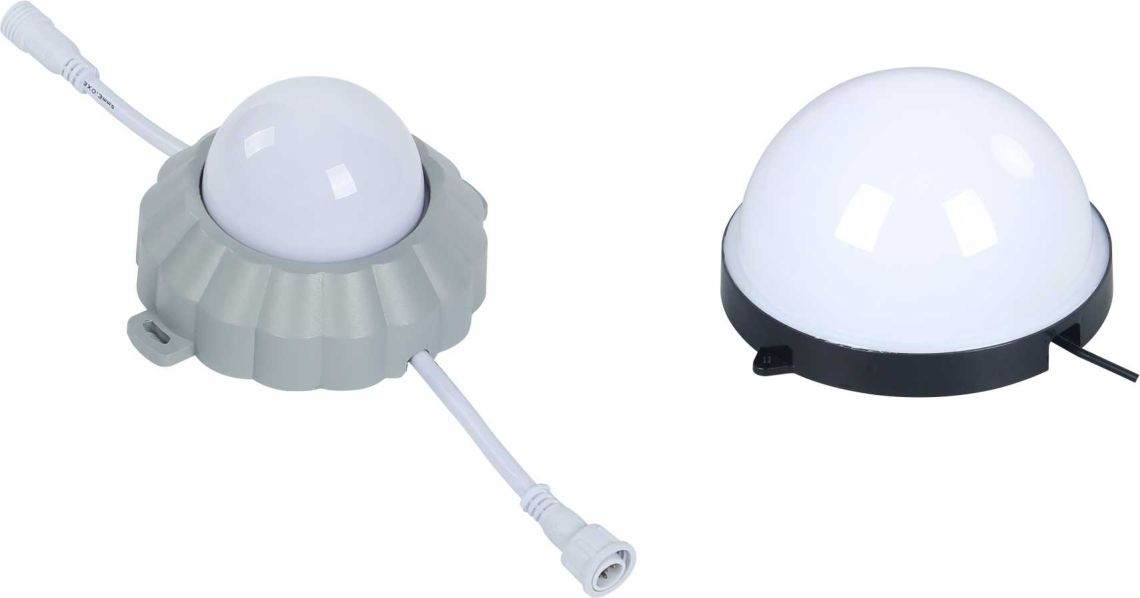
BEAU-DGY-001 LED Point Light - 3W DC24V Outdoor Lighting
-
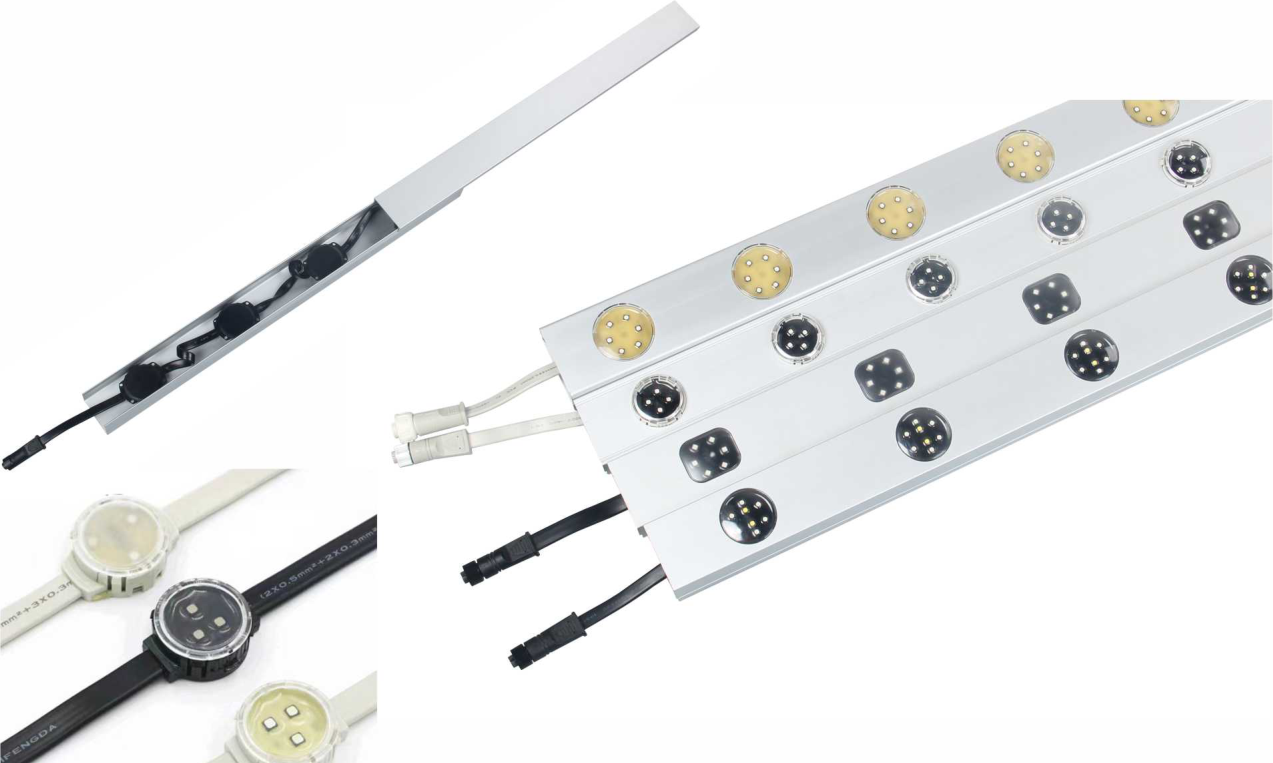
BEAU-DGY-002 LED Point Light - 1.5W DC12V//DC24V Outdoor Lig...
-
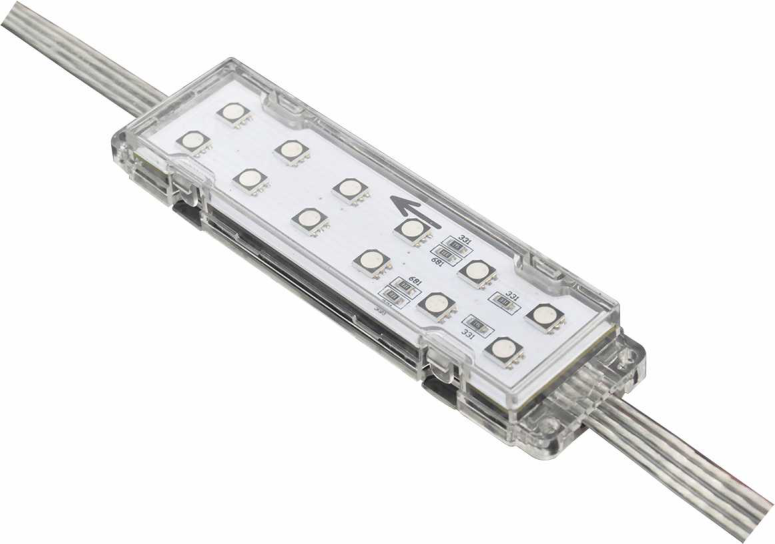
BEAU-DGY-003 LED Point Light - 3W DC24V Outdoor Lighting
-
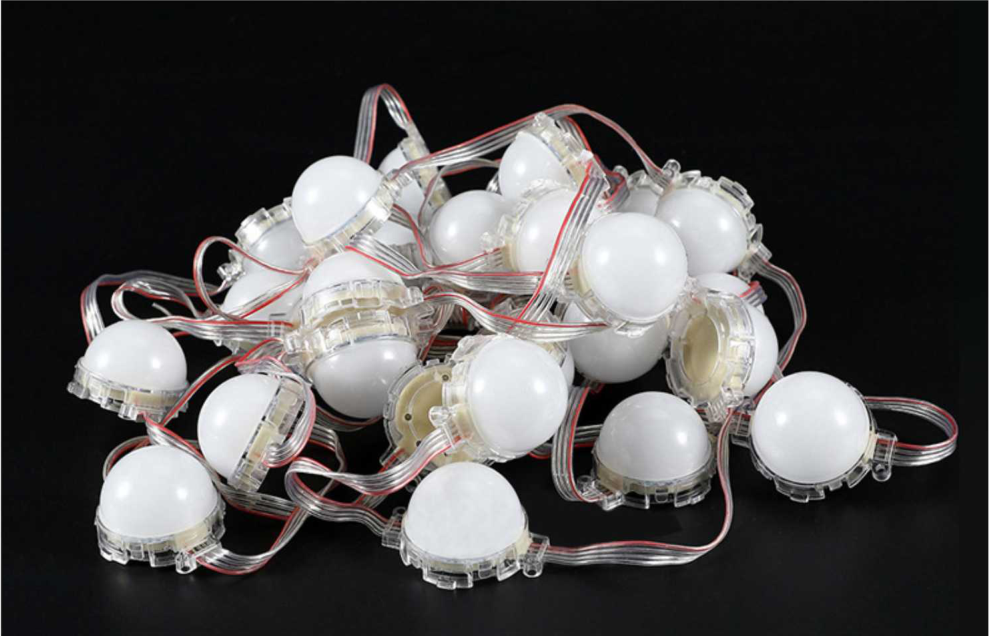
BEAU-DGY-004 LED Point Light - 1W DC24V Outdoor Lighting
-
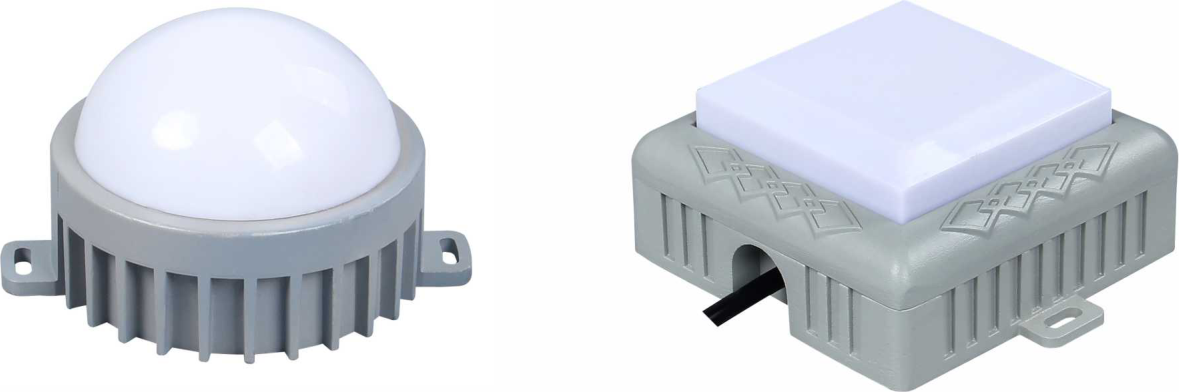
BEAU-DGY-005 LED Point Light - 4.5W DC24V Outdoor Lighting
-
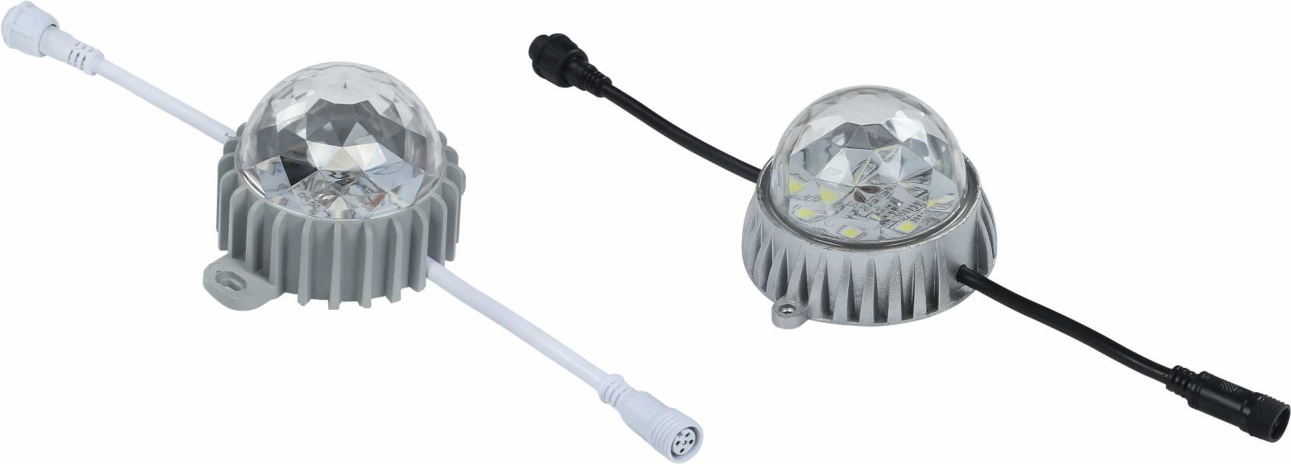
BEAU-DGY-006 LED Point Light - 4.5W DC12V Outdoor Lighting
-
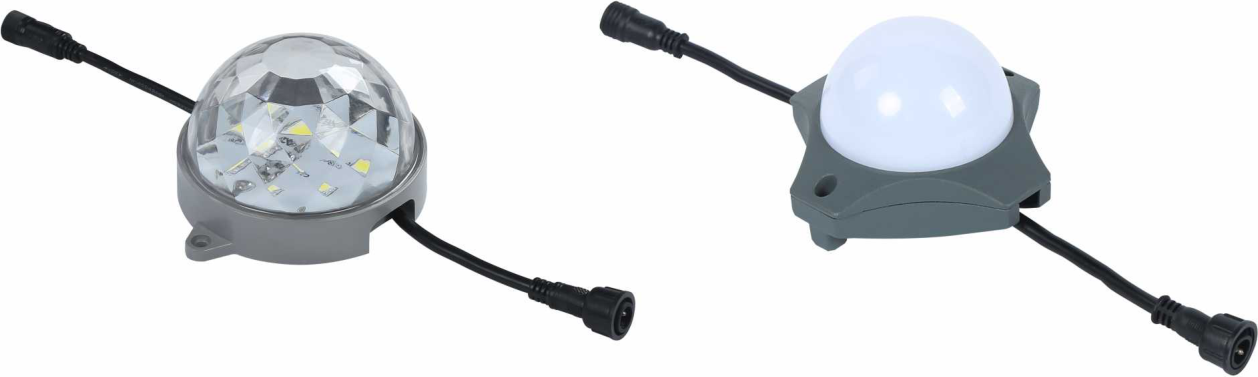
BEAU-DGY-007 LED Point Light - 1.5W DC24V Outdoor Lighting
-
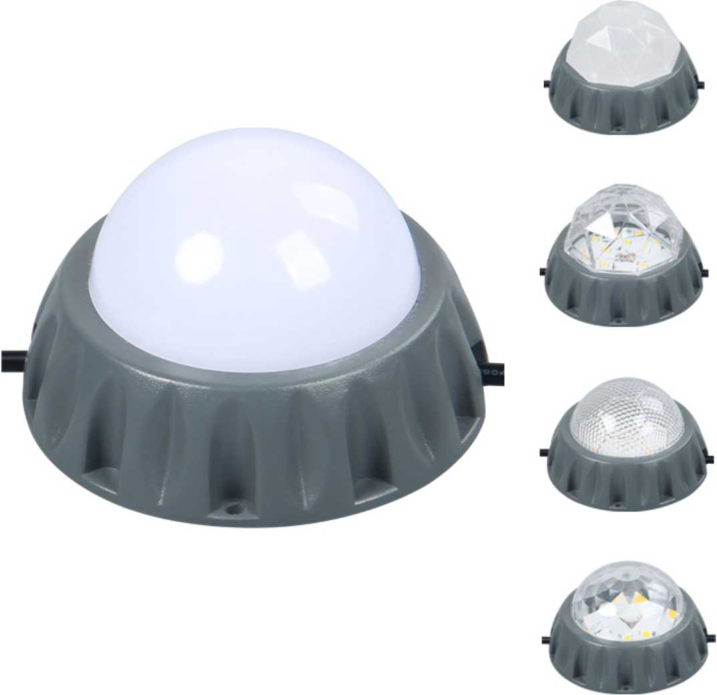
BEAU-DGY-008 LED Point Light - 3W DC24V Outdoor Lighting
-
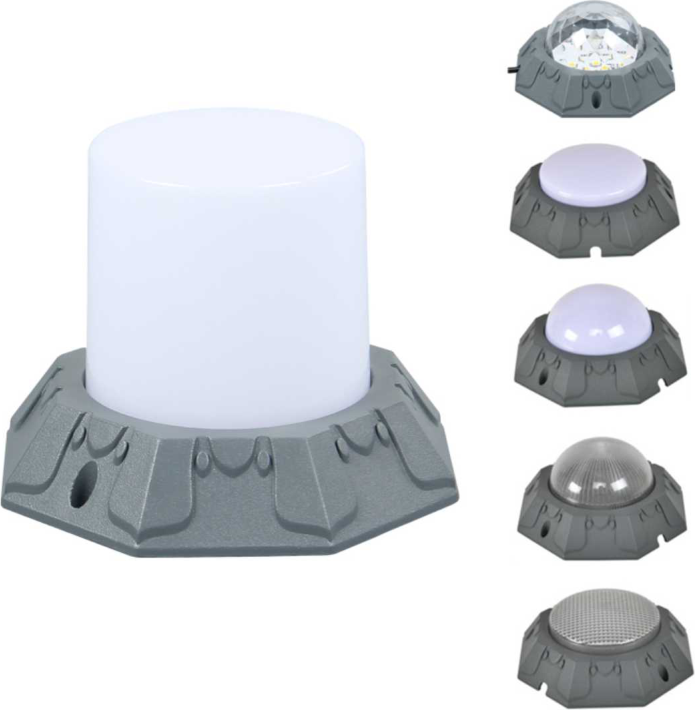
BEAU-DGY-009 LED Point Light - 3.5W DC24V Outdoor Lighting
-
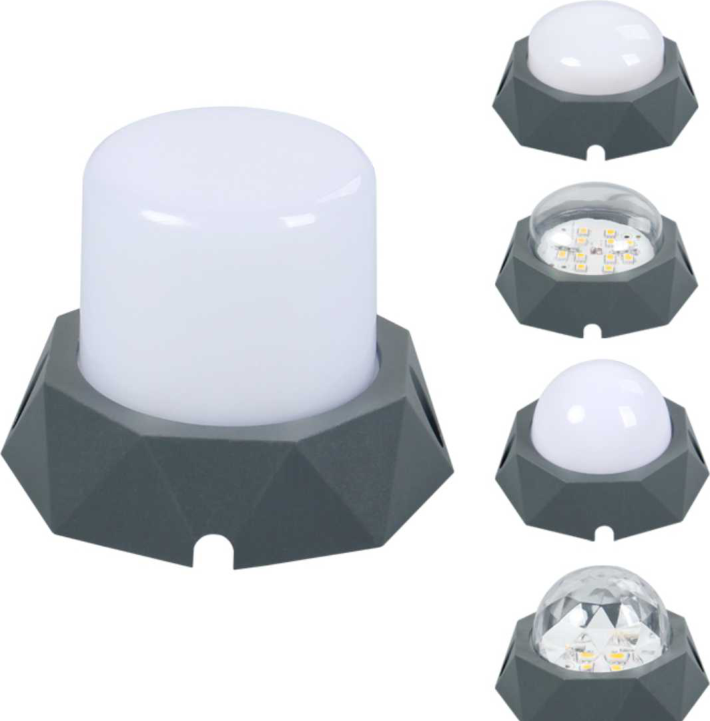
BEAU-DGY-010 LED Point Light - 3W DC24V Outdoor Lighting
-
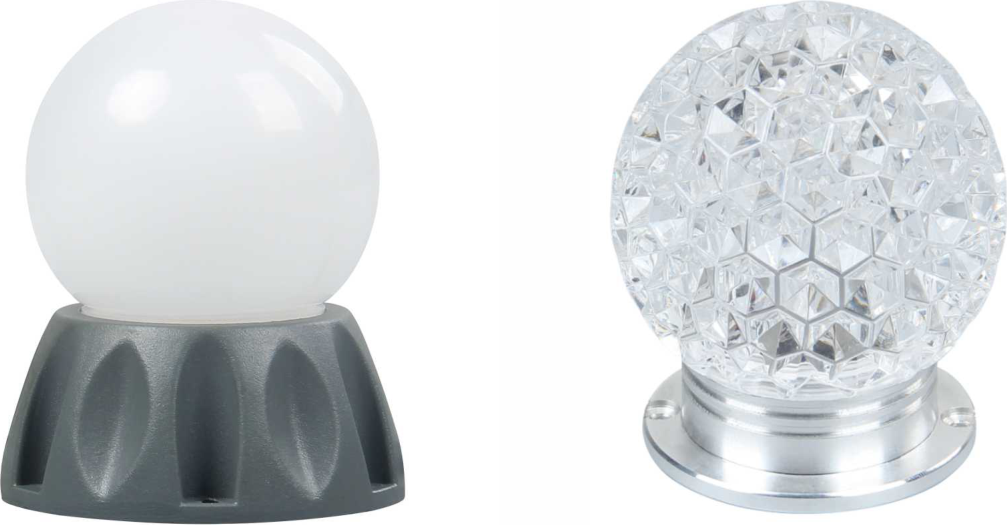
BEAU-DGY-011 LED Point Light - 1W DC24V Outdoor Lighting
-
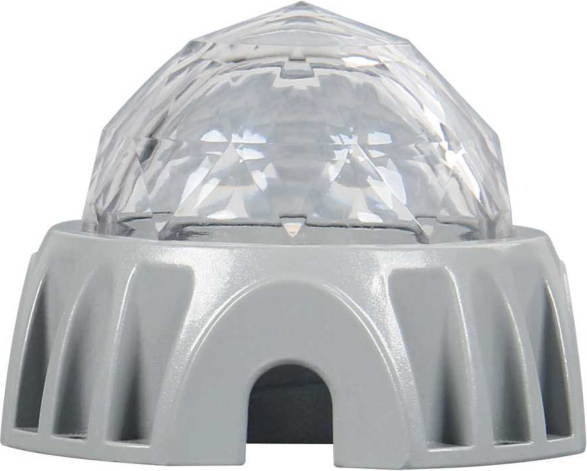
BEAU-DGY-012 LED Point Light - 3W DC24V Outdoor Lighting
LED Point Lights for Media Façades and Outline Lighting
Point lights are the building block of media façades, outline lighting and star-field ceilings. Their engineering problem is not brightness — it is running hundreds of them on one line without the far end dimming, without a single failed unit taking out the run, and without a repair that requires scaffolding. We manufacture 65 point light models from 1W to 4.5W in DC12V and DC24V, in single colour, RGB and individually addressable DMX pixel versions.
Single Colour, RGB and Pixel — Pick by Effect
| Type | Wiring | Effect | Best for |
|---|---|---|---|
| Single colour | 2-core, series | Static outline | Building edges, ceilings, canopy stars |
| RGB (non-pixel) | 4-core + controller | Whole run changes colour together | Simple colour-changing outlines |
| DMX pixel | 4-core, addressed | Each point independently controlled | Media façades, video walls of light |
Most cost overruns on media façades come from specifying pixel control when the design only ever shows one colour at a time. A whole-run RGB installation is roughly half the cost of a pixel installation once controllers, addressing and commissioning are counted.
Voltage Drop and Run Length
This is the single most important calculation on a point light project. On DC24V, a 3W point draws about 125 mA. A run of 50 points is 6.25 A, which on 0.75 mm² cable over 30 m produces a voltage drop large enough to dim the last ten points visibly. Practical guidance:
- Keep runs to 20–30 points maximum on DC24V with 0.75 mm² cable, and feed from both ends where the layout allows.
- For longer runs, use a higher supply voltage or a constant-current bus, or split into parallel feeds from a central driver box.
- Never run data and power in the same cable for pixel installations over long distances — the addressing signal degrades and the last points start to flicker.
Sealing and Serviceability
Point lights live outdoors for a decade, so the seal is the whole product. Ours are potted rather than gasketed: the LED cavity is filled so that water entering the cable entry cannot reach the board. Cables are over-moulded at the gland, which is where most failures originate on cheaper units. Where a façade is difficult to access, specify the version with a pluggable connector so a failed point can be changed without cutting the line — the cost premium is trivial compared to scaffolding.
Spacing and Layout
Spacing is set by the viewing distance, not by the fixture. As a rule of thumb, for a façade seen from 50 m, 300–500 mm spacing reads as a continuous line; at 150 m, 800–1200 mm is enough. For star-field ceilings and interiors, 500–1000 mm spacing gives a convincing effect without looking like a grid. Send us the elevation and the viewing distance and we will return a spacing plan with the point count and power budget.
Frequently Asked Questions
How many point lights can I connect in one run?
On DC24V with 0.75 mm² cable, plan for 20–30 points per run to avoid visible dimming at the end. Longer runs need a higher supply voltage, a constant-current arrangement, or multiple feeds. We will calculate the exact figure for your cable size and run length.
What is the difference between RGB and pixel point lights?
RGB points change colour together as a group, driven by one controller channel. Pixel points are individually addressable, so each point can be a different colour — required for video and animation effects on a media façade. Pixel is roughly twice the cost once controllers and commissioning are included.
Can point lights be used indoors?
Yes. The same fixtures are used for star ceilings, retail ceilings and backlit wall panels. For interiors specify the lower-output versions (1W–1.5W) and confirm the driver is rated for in-ceiling installation.
How do I repair one failed point in a façade?
With the pluggable-connector version, unscrew the point and unplug it — no cable cutting. With the fixed-cable version the run must be cut and re-spliced, which is why we recommend pluggable connectors on any façade above the second floor.
Request a Quote
Send the elevation, viewing distance, control type and quantity, and we will return a spacing plan with power budget and price. Email jianguoli31@gmail.com · WhatsApp +86 155 2908 9983.
Related ranges: LED linear lights · LED wall washers · LED underground lights · project case studies
Beaulighting Co., Ltd
Add: Huayi Plaza, Guzhen Town, Zhongshan City, Guangdong, China
Tel / WhatsApp: +86 155 2908 9983
Email: jianguoli31@gmail.com
CE & RoHS certified · OEM / ODM · 5-year warranty
Outdoor Lighting
Commercial Lighting

 +86 15529089983
Copyright: BeauLighting Co., LTD
Email:jianguoli31@gmail.com
wechat Tel: +86 13818403203
WhatsAPP: +86 15529089983
Add: Huayi Plaza Guzhen Town Zhongshan City